
Conventional Tank Water Heater Repair & Installation
Dependable hot water tank replacements, safety code upgrades, and fast repairs backed by direct owner craftsmanship.
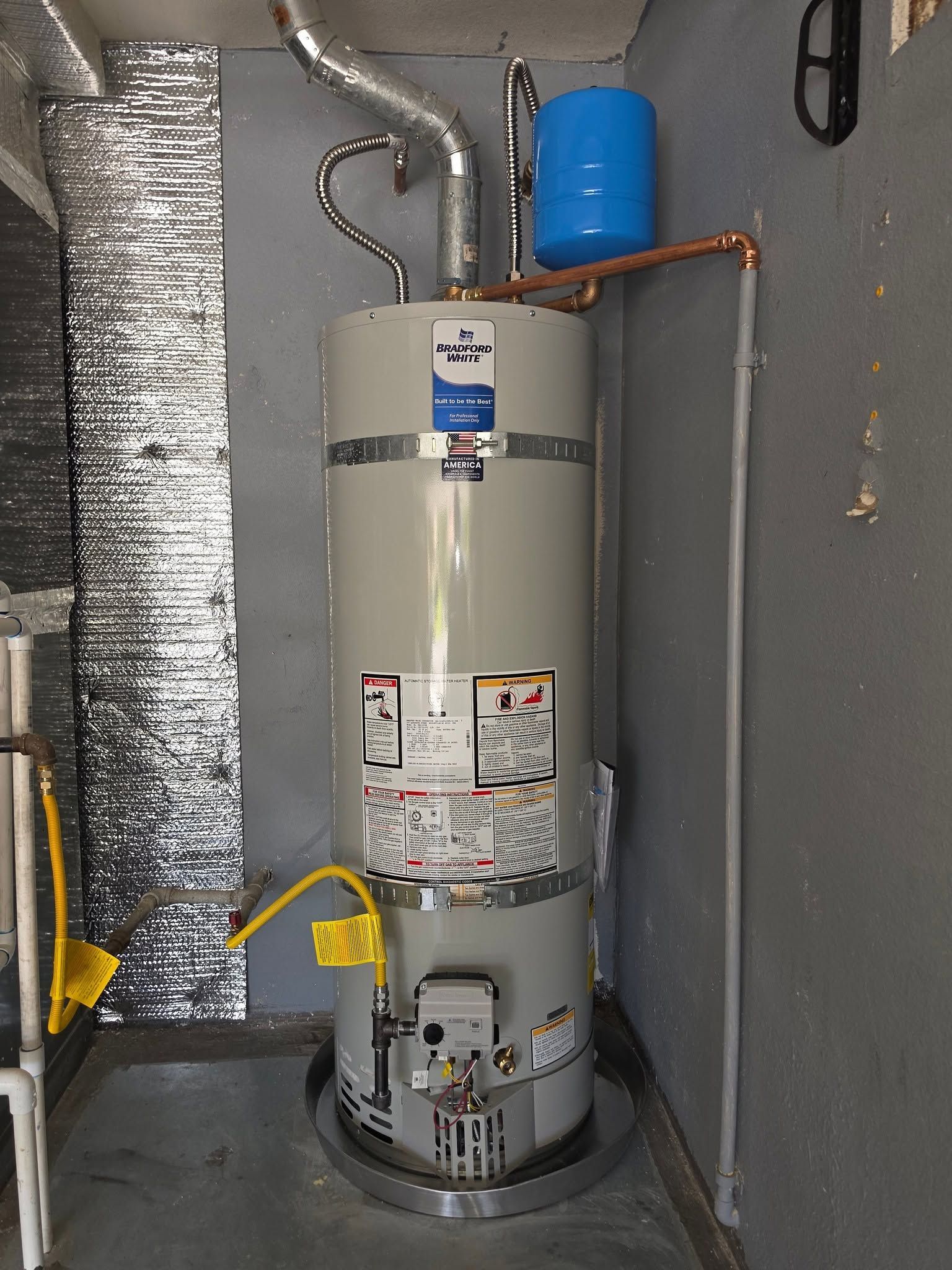
Proven Tank Water Heater Reliability for Santa Clarita Homes
Whether your existing tank is leaking, failing to heat, or simply reaching the end of its operational lifespan, expert repair or replacement restores reliable hot water to your household quickly. You work directly with licensed owner Josh Perez from your initial call to final inspection, ensuring code-compliant safety features and free estimates on every installation proposal.
— Complete Storage Tank Solutions Across Santa Clarita
Our Conventional Tank Water Heater Services
Tank Installation & Replacement
Complete removal of failing tanks and precision installation of new high-efficiency gas or electric water tanks.
System Repair & Thermocouple Service
Expert troubleshooting and replacement of pilot lights, thermocouples, gas valves, and heating elements.
Maintenance & Anode Rod Replacement
Annual tank flushing to remove mineral sediment and timely sacrificial anode rod swaps to stop internal tank rust.
— Why Homeowners Trust West Coast Water Heaters
Direct Owner Inspections, Zero-Obligation Estimates, and Licensed Installations
Transparent Pricing
Fully Bonded & Insured
Licensed Specialist
Offers Free Estimates
Quality Workmanship
Residential & Commercial
— Common Signs
You May Need Tank Repair or Replacement:
The water heater tank age exceeds 8 to 12 years
Moisture, rust, or heavy corrosion visibly forming on safety valves
Water temperature fluctuates wildly between lukewarm and boiling
Water pooling or active leaks forming around the base of the tank
Rusty or discolored hot water coming out of home faucets
Popping, rumbling, or banging noises coming from inside the unit
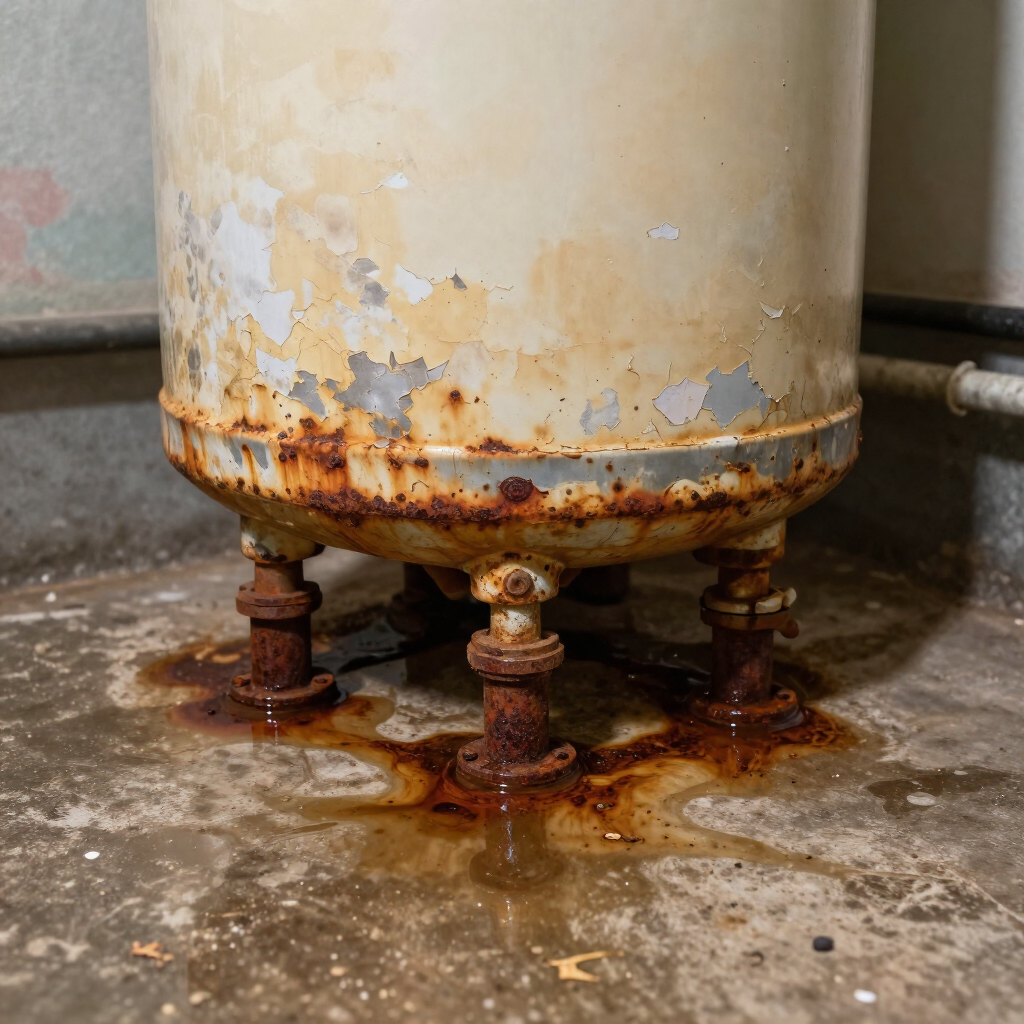
Storage Tank Safety Warnings
Don't Risk Major Water Damage from Tank Ruptures
An aging or heavily corroded water heater tank can suddenly burst, leaking dozens of gallons of water into your garage or utility space. Routine maintenance and replacing worn anode rods preserve tank life, while early replacement of deteriorating units protects your property from severe water damage.
SERVICE AREAS
Santa Clarita, CA
Valencia, CA
Saugus, CA
Newhall, CA
Castaic, CA
Stevenson Ranch, CA
Agua Dulce, CA
San Fernando, CA
Burbank, CA
Simi Valley, CA
Conventional Tank FAQs
How long does a standard tank water heater typically last?
Most standard storage tank water heaters last between 8 and 12 years in Southern California. Heavy mineral content in local municipal water can accelerate internal tank rust if the system is not flushed annually.
Why is my tank water heater making loud popping or rumbling sounds?
Rumbling or popping sounds are caused by hard water minerals settling at the bottom of the tank and forming a hard sediment layer. As the burner heats the tank floor, trapped water under the sediment boils and bursts through, creating noise and reducing heater efficiency.
What causes a water heater pilot light to keep going out?
A pilot light that won't stay lit is usually caused by a dirty or failed thermocouple, a clogged pilot tube, or a malfunctioning gas control valve. Professional testing identifies the broken component for quick repair.
Are thermal expansion tanks required for tank water heaters in California?
Yes, California plumbing codes require thermal expansion tanks on closed water systems to absorb water volume expansion as water heats up. This safety feature prevents excessive water pressure buildup that damages your plumbing pipes and water heater.
How often should I replace the anode rod in my water heater tank?
The sacrificial anode rod should be inspected every 2 to 3 years and replaced when it degrades significantly. The anode rod attracts corrosive elements to protect the steel tank lining from rusting through.
Should I repair or replace my leaking water heater?
If water is leaking directly from the inner steel tank structure, the tank must be replaced, as internal tank corrosion cannot be safely welded or repaired. However, leaks coming from drain valves, thermal expansion tanks, or loose pipe fittings can be easily repaired.